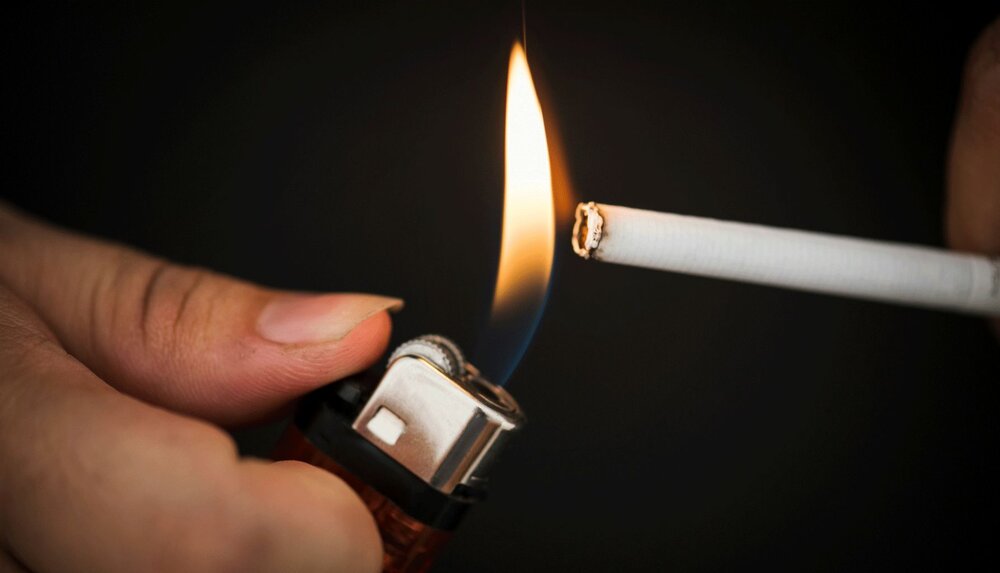
'What is addiction?' worksheet


Published May 22, 2026
Download the free addiction discussion questions handout
Download now
Download the free addiction discussion questions handout
Download nowEnhance client engagement and insight by introducing open-ended addiction discussion questions that foster a collaborative, person-centered therapeutic alliance.
Use structured prompts across four specific categories—including recovery and relapse prevention—to help clients safely explore their personal triggers and behavioral patterns.
Compare client reflections directly against the official DSM-5 diagnostic criteria to accurately evaluate the severity and impact of a substance use disorder.
Download and share the free clinical handout to seamlessly integrate these substance use discussion questions into active therapy sessions or take-home assignments.
Elevate your clinical practice with an in-depth guide to using targeted addiction discussion questions and open-ended recovery questions that foster deep client self-reflection.
This comprehensive overview breaks down essential dialogue tools, compares client insights against the standard DSM-5 diagnostic criteria, and provides a free, downloadable substance use discussion questions handout ready to integrate directly into your electronic health record (EHR).
Substance use discussion questions are open-ended prompts designed to encourage dialogue between clinicians and clients.
Unlike diagnostic tools, discussion prompts use the therapeutic relationship to explore substance use in a more person-centered way that promotes self-reflection and insights and may lead to improved engagement if the client decides to seek treatment.
Examples of addiction discussion questions include:
What are your experiences with substances?
When did you first start using drugs or alcohol? What was going on in your life at the time?
How often do you use substances?
What emotions or situations tend to lead to using substances?
How do you feel before, during, and after using substances?
Have you ever tried to cut back or stop using substances?
If you have tried to stop or cut down but couldn't, what happened?
Have you used substances for longer than intended?
What are some of the consequences you’ve experienced from using substances?
How much time do you spend thinking about using substances?
Do you experience cravings or urges to use substances?
What happens if you don’t use the substances?
How is your substance use affecting your daily life, such as work, responsibilities, and relationships?
Have you been in risky situations due to substance use that you would typically avoid if sober?
How is your substance use impacting your physical and mental health?
How would you define addiction in your own words?
What factors have influenced your substance use? For example, a stressful job, a traumatic childhood, or something else?
What led you to enter recovery?
How do you define your recovery?
What is your pathway of recovery?
Some people choose to abstain from substance use altogether, and others take a harm reduction approach. What are your thoughts about these different approaches, and how do they apply to your recovery?
What are your recovery-related supports?
What inspires you to stay in recovery?
What are your recovery-related strengths?
What are some areas you’d like to grow in your recovery?
How has your life changed since being in recovery?
What changes have been possible because of your recovery?
What are your triggers for substance use?
How do you deal with triggers?
What are some of your coping mechanisms?
What do you do when you experience cravings or using dreams?
Who do you call during a crisis?
What do you do at times of acute stress?
What are some things you have done previously that helped you to avoid a relapse?
What are some early warning signs that you might relapse?
What actions do you take if you are worried about relapsing?
How do you stay connected to your recovery community?
If you have previously relapsed, what are some of the things you’ve done to return to recovery? What did you learn about yourself?
What are your top three reasons to stay in recovery?
The specific DSM-5 criteria for substance use disorders* include:
A problematic pattern of substance use leading to clinically significant impairment or distress over the last 12 months, and includes at least two of the following criteria:
Using more of a substance than intended or using it for longer than planned.
Persistent desire to stop or unsuccessful attempts to cut down or stop using the substance.
Spending a lot of time to obtain the substance, use it, and recover from its effects.
Experiencing intense cravings or urges to use the substance.
Recurrent use of the substance impacts daily life and the ability to fulfill obligations at home, school, or work.
Continued use of the substance despite its effects.
Substance use that leads to giving up or reducing important social, work, or recreational activities.
Recurrent use in dangerous situations.
Using substances despite having physical or mental health conditions that will be negatively affected by substances.
Increased tolerance to the substance, requiring more to have the same effect or less of an impact despite using the same amount.
Withdrawal symptoms occur when not using the substance. Or the need to take other substances to relieve the withdrawal symptoms.
*Please note this is a summary of the DSM-5 criteria. Additionally, the DSM-5 lists each substance use disorder separately for each substance—for example, alcohol use disorder, cannabis use disorder, etc.
You can download and use the addiction discussion questions in several ways:
Use the discussion questions as a prompt in the session.
Give the client a copy of the handout for them to take home.
Ask the client to reflect on the substance use discussion questions between sessions and report their observations at their next therapy appointment.
Share the substance use discussion questions with coworkers.
Use the handout to discuss open-ended recovery questions with supervisees and to prompt further consideration of relapse prevention discussion questions.
Combine the handout with other substance use worksheets, such as our substance use assessment form, relapse prevention worksheets, and triggers and coping skills worksheet.
American Psychiatric Association. (2013). Diagnostic and statistical manual of mental disorders (5th ed.).
Maximin, B. (2022). Psychology of Addiction: Discussion & Essay Questions. CUNY.
National Institutes of Health. (2022). Start A Conversation: 10 Questions Teens Ask About Drugs and Health.
Samet, S., Waxman, R., Hatzenbuehler, M., & Hasin, D. S. (2007). Assessing addiction: concepts and instruments. Addiction science & clinical practice.
Substance Abuse and Mental Health Services Administration. (2021). Using Motivational Interviewing in Substance Use Disorder Treatment. Advisory.
SimplePractice is HIPAA-compliant practice management software with everything you need to run your practice built into the platform—from booking and scheduling to insurance and client billing.
If you’ve been considering switching to an EHR system, SimplePractice empowers you to run a fully paperless practice—so you get more time for the things that matter most to you.
Try SimplePractice free for 30 days. No credit card required.






Proudly made in Santa Monica, CA © 2026 SimplePractice, LLC
Proudly made in Santa Monica, CA © 2026
SimplePractice, LLC