Symptom management worksheets


Published April 9, 2026
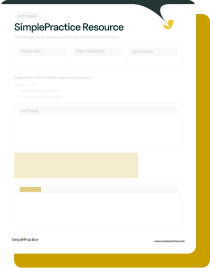
Download the addiction triggers worksheet
Download now
Download the addiction triggers worksheet
Download nowUse the addiction triggers worksheet to help clients identify internal emotional cues and external situational stressors that increase the risk of returning to use.
Conduct a comprehensive addiction trigger review to build personalized relapse prevention plans that address neurological changes in the brain's reward system.
Strengthen patient outcomes by teaching distress tolerance and emotional regulation skills to navigate high-risk periods like social crises or prolonged withdrawal.
Enhance clinical practice by integrating these tools into psychoeducational sessions to foster long-term social support and sustainable recovery habits.
Undertaking an addiction trigger review with clients can be an effective way to build a relapse prevention plan.
This article provides an overview of common relapse triggers and offers guidance on managing them with clients in therapeutic care.
We’ve included a free downloadable addiction triggers worksheet that therapists can save to their electronic health record (EHR) for repeated use.
Recovery from substance use disorder can be a lifelong process for many.
According to the National Institute on Drug Abuse (NIDA), addiction has similar rates of relapse to other chronic illnesses, like diabetes or hypertension, ranging from 40% to 60%. This figure, however, reflects aggregate data across substance types and treatment settings.
Longitudinal data tell a more granular story: studies of outpatient cohorts report that more than 60% of patients return to use within the first 12 months post-treatment, with risk peaking in the first 90 days following discharge. It’s important to note, however, that relapse rates vary considerably by substance, treatment intensity, co-occurring psychiatric diagnoses, and social determinants of health.
This highlights the importance of an addiction triggers worksheet to increase awareness of triggers, strengthen coping strategies, and develop a solid relapse prevention plan.
Relapse triggers are the internal and external cues or stressors that may lead a person to return to use.
These include:
Internal triggers: Cognitive or emotional cues might include experiencing emotional distress, boredom, physical pain, mental health conditions (anxiety, depression), cravings, intrusive memories of use, untreated post-traumatic stress disorder, or navigating stressful situations like the loss of a loved one or a breakup.
External triggers: Situational, social, or environmental factors that may trigger a relapse include crises, hanging out with friends or acquaintances who use substances, or visiting a bar or restaurant.
While triggers alone do not mean a person will return to use, they can increase the risk of relapse, especially in times of distress, which is why an addiction trigger review can be helpful.
Neuroscience research shows that chronic drug use causes changes to the brain's reward system, affecting a person’s emotional response to stress and the ability to self-regulate. These changes cause compulsive drug seeking and taking, and can lead to an inability to stop even if the person has a desire to stop.
Research also shows that these changes in the brain persist long after stopping drug use, for months or even years, highlighting the need for personalized treatment that factors in the severity of the disorder, supports, co-occurring disorders, and other risk factors.
Other risk factors for returning to use include:
Inpatient treatment provides a safe and supportive environment, separate from daily life stressors. Returning home, however, may increase stressors, such as parenting responsibilities, a demanding job, and relationship conflicts.
Relapse prevention is key to sustaining recovery by increasing awareness of triggers, risk factors, and a support system to cope with increased stress.
Inadequate support is a risk factor for relapse. Sustained recovery requires a strong support system, including peers in recovery, clinical support, and other individuals who are supportive of living a recovery lifestyle.
While you may discuss distress tolerance and emotional regulation skills in treatment, practicing coping skills in the real world takes time.
Certain emergent situations increase stress, cause emotional dysregulation, and may increase the desire to use, like being in an accident, losing a job, ending a relationship, or losing a loved one.
Certain substances may cause prolonged withdrawal and continued cravings, which are a strong risk factor for returning to use.
Recovery takes sustained effort that can be difficult to manage with other competing priorities in life, like parenting and work. Sometimes this can cause individuals to withdraw from the recovery practices that helped them initially as their life gets busier, or they may start to have negative thoughts about sobriety, which can increase the risk of relapse.
You can download and use the addiction triggers worksheet in several ways.
For example, use it as a session psychoeducational prompt or addiction trigger review, or share it with coworkers or supervisees.
Give the worksheet to the client to remind them of what you discussed during therapy. Ask the client to reflect on the addiction triggers worksheet between sessions, observe their triggers, and report their findings at their next therapy appointment.
You can also combine the worksheet with other addiction and substance use-related worksheets, such as our substance use assessment form or relapse prevention worksheets.
Guenzel, N., & McChargue, D. (2023). Addiction relapse prevention. In StatPearls. StatPearls Publishing.
Melemis S. M. (2015). Relapse Prevention and the Five Rules of Recovery. The Yale journal of biology and medicine.
NIDA. (2023). Treatment and Recovery.
Substance Abuse and Mental Health Services Administration, & Office of the Surgeon General. (2016). Facing addiction in America: The Surgeon General's report on alcohol, drugs, and health (Ch. 2, The neurobiology of substance use, misuse, and addiction). U.S. Department of Health and Human Services.
Volkow, N. D., Michaelides, M., & Baler, R. (2019). The neuroscience of drug reward and addiction. Physiological Reviews.
SimplePractice is HIPAA-compliant practice management software with everything you need to run your practice built into the platform—from booking and scheduling to insurance and client billing.
If you’ve been considering switching to an EHR system, SimplePractice empowers you to run a fully paperless practice—so you get more time for the things that matter most to you.
Try SimplePractice free for 30 days. No credit card required.






Proudly made in Santa Monica, CA © 2026 SimplePractice, LLC
Proudly made in Santa Monica, CA © 2026
SimplePractice, LLC