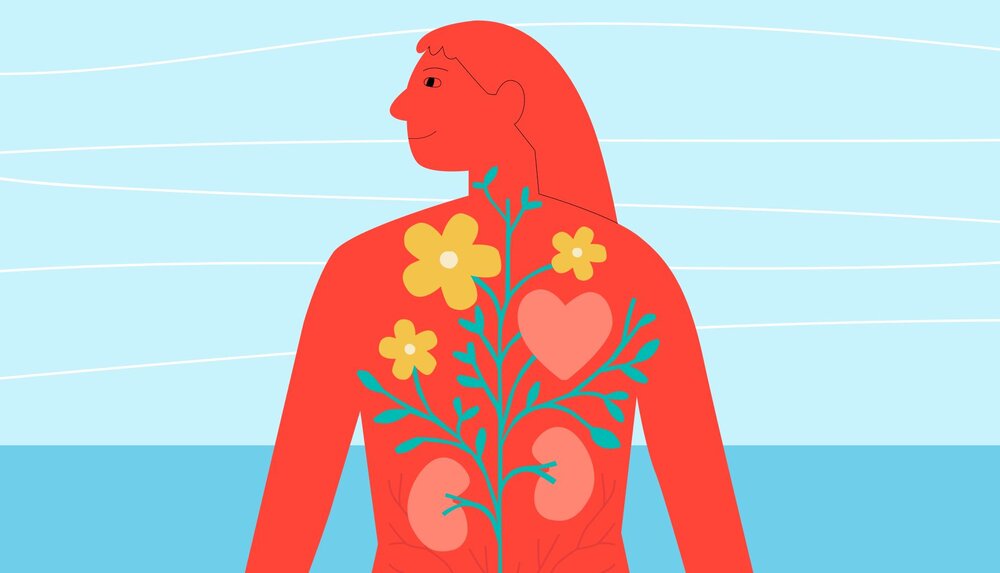
Emotional body chart

Published December 2, 2025
Download the anxiety psychoeducation worksheet
Download now
Download the anxiety psychoeducation worksheet
Download nowIf you’re a therapist looking for a “What is anxiety?” worksheet to provide anxiety psychoeducation to clients, then you’re in the right place.
This article provides an overview of anxiety, its symptoms, and its prevalence. We’ve also included a free downloadable anxiety worksheet PDF to save to your electronic health record (EHR) and use in your practice.
Anxiety can be a normal part of life, such as worrying about school, work, money, family, or relationships.
However, some people experience more frequent symptoms of anxiety and may find it difficult to stop worrying, and they may have an anxiety disorder.
Anxiety disorders are the most common mental health condition in the United States. It’s important to provide clients with anxiety psychoeducation about the prevalence of anxiety.
According to the National Alliance on Mental Illness, 19% of American adults have an anxiety disorder, and 7% of children ages 3 to 17 experience anxiety symptoms each year.
The American Psychiatric Association reported that in 2024, 43% of adults stated they were feeling increasingly anxious than the previous year.
When it comes to anxiety psychoeducation, educate clients about the several different types of anxiety disorders, including:
Generalized anxiety disorder is characterized by persistent anxiety or dread that impacts day-to-day life, which may continue for months or years.
Panic disorder is characterized by symptoms of terror, panic attacks, chest pain, palpitations, shortness of breath, upset stomach, and fear of further panic attacks.
Individuals with social anxiety disorder experience intense fear about social and public situations and may socially isolate or have a panic attack in response to forced interaction.
Phobias cause a person to avoid certain places, objects, or events. They may experience intense fear and engage in behaviors to prevent panic.
Other related disorders include mixed anxiety disorder, other specified anxiety disorders, selective mutism, anxiety disorder, unspecified, and substance or medication-induced anxiety disorder.
In anxiety psychoeducation it’s essential to note that each anxiety disorder differs slightly and symptoms vary by person, common symptoms of anxiety fall into two categories: emotional and physical symptoms.
Sweating
Tremors and tension
Shortness of breath
Choking feeling
Headaches
Fatigue and difficulty sleeping
Feeling light-headed
Having a hard time relaxing
Feeling overwhelmed
Stomach upset
Frequent urination or upset bowel movements/urgency to use the bathroom
Unexplained pains
Difficulty swallowing
Intense fear or worry
Difficulty controlling worry
Feeling jumpy or on edge
Avoiding certain places and people
Restlessness
Irritability,
Knowing you’re worrying more than you should
Difficulty concentrating
Startling easily
Each of these symptoms varies depending on the situation, type of anxiety disorder, and stressors.
Some of the common things people worry about include school exams, work, family or relationship conflicts, and health problems.
Anxiety is treated with the support and guidance of a clinician who can take a thorough history before reaching a diagnosis and treatment plan.
Treatment may include anxiety psychoeducation along with psychotherapy, such as cognitive behavioral therapy (CBT) acceptance and commitment therapy (ACT), and support groups.
Some people may require treatment with medication, which may involve an anxiety medication or antidepressant.
Other ways to support the treatment of anxiety are to practice healthy habits, such as getting good quality sleep, reducing caffeine intake, exercising, and speaking with a therapist.
This information is also included in the free “What is anxiety?” worksheet.
Anxiety disorders can be common in families. Researchers have also found that stress and trauma may increase the risk of developing an anxiety disorder.
You can download and use the “What is anxiety?” worksheet in several ways.
For example, you can use the handout as an anxiety breakdown worksheet to provide anxiety psychoeducation about different aspects of anxiety and work with the client to identify their symptoms.
You can also give the “What is anxiety?” worksheet to the client to remind them of the anxiety psychoeducation you shared during therapy.
Ask the client to reflect on the anxiety in the body worksheet between sessions, plan to exercise over the next week, and then report their progress at their next therapy appointment.
American Psychiatric Association. (2013). Diagnostic and Statistical Manual of Mental Disorders (5th ed.) American Psychiatric Association.
American Psychiatric Association. (2013). American Adults Express Increasing Anxiousness in Annual Poll; Stress and Sleep are Key Factors Impacting Mental Health.
Centers for Disease Control and Prevention. (2020). Symptoms of Generalized Anxiety Disorder Among Adults: United States, 2019.
Jacobs Hendel, H. (2024). Anxiety and Fear: What’s The Difference? National Alliance on Mental Illness.
National Institute of Mental Health. (2025). Anxiety Disorders.
National Alliance on Mental Illness. (2017). Anxiety Disorders.
Morgado, T., Lopes, V., Carvalho, D., & Santos, E. (2022). The Effectiveness of Psychoeducational Interventions in Adolescents' Anxiety: A Systematic Review Protocol.
SimplePractice is HIPAA-compliant practice management software with everything you need to run your practice built into the platform—from booking and scheduling to insurance and client billing.
If you’ve been considering switching to an EHR system, SimplePractice empowers you to run a fully paperless practice—so you get more time for the things that matter most to you.
Try SimplePractice free for 30 days. No credit card required.






Proudly made in Santa Monica, CA © 2026 SimplePractice, LLC
Proudly made in Santa Monica, CA © 2026
SimplePractice, LLC