Co-occurring disorders worksheets


Published March 25, 2026
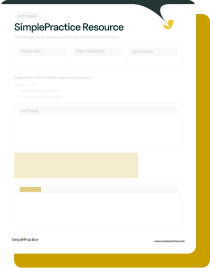
Download the behavioral activation for kids worksheet
Download now
Download the behavioral activation for kids worksheet
Download nowDownload the free behavioral activation for kids worksheet to help children combat depression by scheduling meaningful, mood-boosting activities.
Behavioral activation, a proven form of CBT, reduces depressive symptoms by reconnecting kids with activities they value across social, physical, creative, and self-care categories.
Use the kids activity list—which includes options like playing games with friends, journaling, volunteering, and outdoor play—to collaboratively build a personalized activity plan with your young client.
Break chosen activities into small, manageable steps to help overwhelmed children build momentum and establish positive behavioral patterns over time.
Integrate this worksheet into therapy sessions, psychoeducation folders, or supervision settings to reinforce depression treatment across multiple touchpoints.
Behavioral activation is an effective treatment in reducing depressive symptoms in children and adolescents, and this behavioral activation for kids worksheet makes it easy to implement in your practice.
Depression is one of the most commonly diagnosed mental health disorders in children in the United States.
According to the U.S. Centers for Disease Control and Prevention (CDC), 4% of children aged 3 to 17 have received a formal depression diagnosis. However, symptom rates are considerably higher—between 2021 and 2023, 18% of adolescents aged 12 to 17 reported experiencing symptoms of depression in the past two weeks.
This article provides an overview of behavioral activation therapy and example activities to suggest to clients and parents.
We’ve included a free downloadable behavioral activation for kids worksheet, including a kids activity list, that you can save to your electronic health record (EHR) and use in your practice.
Cognitive behavioral therapy (CBT) is a recommended treatment for depression in children and adolescents. Behavioral activation therapy is a form of CBT used to treat depression.
Research suggests that behavioral activation may reduce symptoms of depression in children and adolescents and is as effective as other forms of CBT for treating depression.
Suitable for adults and children, behavioral activation works by scheduling meaningful activities that individuals value.
Connecting clients with their values motivates them to plan activities that increase their activity levels, boost their mood, and reconnect them socially. By repeating these activities and experiencing the positive effects, they reinforce the motivation to break patterns of unhelpful behaviors.
For instance, a kid who is feeling depressed may withdraw socially, have difficulty getting out of bed, and spend more time alone, which in turn worsens their depression.
Working with a therapist, however, a child can identify activities they enjoy and break these activities down into manageable steps to achieve their activity goals.
A teen may share with their therapist that they love playing video games with their friends, but it feels too overwhelming to get out of bed to arrange a game. The therapist may suggest that the first step they could take is to text a friend who shares the same enjoyment of video games.
While activities that children value may be personal to them and may need to be adapted for their age, the following kids activity list includes behavioral activities you can suggest to clients and parents:
Social activities: Playing games with friends, video chats, going to the movies with friends or family, and reaching out to a friend for social support.
Physical activities: Riding a bike, going for a run, dancing, playing sports, or inviting friends to play in the park.
Challenge-based activities: Playing a new board game, trying to solve a puzzle, or learning a new skill or hobby.
Self-care and grounding activities: Listening to music, relaxing in the sunshine, reading, meditation, going on a walk in nature, swimming, spending quality time at home with a parent or caregiver, or watching a favorite movie.
Creative activities: Cooking a new recipe, baking, drawing, painting, crafting, writing, or journaling.
Fun activities: Planning a day out, like visiting a museum or trying a new place for the family to enjoy a meal.
Meaningful activities: Volunteering, reaching out to a family member who may feel lonely or needs help, or attending a community event.
You can download and use the behavioral activation for kids worksheet in several ways.
For example, use it in session to provide psychoeducation about behavioral activation.
Provide the worksheet and kids activity list to the client to remind them of what you discussed during therapy. Devise a behavioral activation plan with the client in session and ask them to take the plan home and report their progress at their next therapy appointment.
You can also combine this worksheet with other depression-related worksheets, such as our cycle of depression handout or our coping skills for depression worksheet.
Lastly, share this worksheet with coworkers or use the behavioral activation for kids worksheet to provide continuing education to supervisees or interns.
Artushin, H. (2024). What is Behavioral Activation? Child Mind Institute.
Centers for Disease Control and Prevention. (2025). Data and Statistics on Children's Mental Health
LaLonde, L. (2024). Behavioral Activation: A Mood Booster for Kids. The Kids Mental Health Foundation.
Martin, F., & Oliver, T. (2019). Behavioral activation for children and adolescents: a systematic review of progress and promise. European child & adolescent psychiatry.
Tindall, L., Kerrigan, P., Li, J., Hayward, E., & Gega, L. (2024). Is behavioural activation an effective treatment for depression in children and adolescents? An updated systematic review and meta-analysis. European child & adolescent psychiatry.
SimplePractice is HIPAA-compliant practice management software with everything you need to run your practice built into the platform—from booking and scheduling to insurance and client billing.
If you’ve been considering switching to an EHR system, SimplePractice empowers you to run a fully paperless practice—so you get more time for the things that matter most to you.
Try SimplePractice free for 30 days. No credit card required.






Proudly made in Santa Monica, CA © 2026 SimplePractice, LLC
Proudly made in Santa Monica, CA © 2026
SimplePractice, LLC