10 principles of recovery PDF


Published February 11, 2026
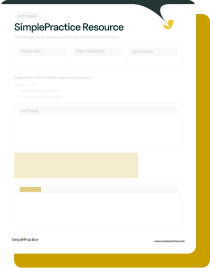
Download the free burnout worksheet
Download now
Download the free burnout worksheet
Download nowAre you a therapist seeking a burnout worksheet to help your clients develop a burnout prevention plan? You’re in the right place.
This article provides an overview of burnout, symptoms to look out for, and strategies to suggest to clients.
We’ve also included a free downloadable burnout worksheet that includes space for developing a burnout prevention plan that you can save to your electronic health record (EHR) and use in your practice.
Burnout is defined as an “occupational phenomenon" resulting from unresolved chronic workplace stress.
While it is not a medical condition, burnout is classified in the eleventh edition of the International Classification of Diseases (ICD-11) as Z code Z73.0 under “Problems related to life management difficulty.”
The ICD-11 defines the characteristics of burnout as feelings of energy depletion or exhaustion, increased mental distance from work, feelings of negativity or cynicism towards one's job, and reduced professional efficacy.
Some of the symptoms of burnout include:
Anxiety
Depression
Hopelessness
Sleep difficulties, including insomnia, poor sleep quality, and not waking up feeling refreshed
Overwhelm
Dissatisfaction with personal accomplishments
Chronic fatigue
Emotional exhaustion
Detachment
Low self-esteem
Poor memory
Ineffective coping skills
Avoidance
Irritability
Social withdrawal
Difficulty making decisions
Emotional dysregulation
Trouble concentrating
Feeling emotionally numb
Loss of motivation
Loss of interest in once pleasurable activities
Feeling trapped or helpless
Headaches
Changes in appetite
Taking extended periods of sick leave
Retiring early
Above normal levels of stress hormone, cortisol
People may only experience a few of these symptoms in the early signs of burnout. However, without intervention and if stress remains, individuals may go on to develop clinical burnout with more severe symptoms. This can prevent people from working and lead to requiring professional help.
Severe burnout is also associated with insomnia, cardiovascular disease, and metabolic disorders.
The challenge with burnout is that its symptoms are subtle but progress gradually, making it difficult to connect the feeling of depletion, negative emotional and physical symptoms, and workplace stress.
The key to managing burnout is to increase awareness of burnout, recognize early symptoms, and take proactive steps to monitor stress levels, balance work and restorative activities, and create a burnout prevention plan.
There is limited research that determines the exact prevalence of burnout, due to varying diagnostic criteria and overlapping conditions.
However, there are some common risk factors for developing burnout that clients can identify using the burnout worksheet, including:
High workload with unrealistic expectations, like tight deadlines, or working in a high-pressure environment (emergency room, clinical jobs, and senior executives)
Poor work-life balance
Toxic work environments where bullying, encouraging a “hustle” culture, unrealistic demands, and a lack of support are prevalent
Monotonous or meaningless work
Lack of job recognition
Poor job security
Unclear job expectations
Poor sleep
Inadequate nutrition
Lack of physical activity
Chronic health issues
Regular substance use as a coping strategy
Lack of social support
Isolation in role
Conflict with coworkers, partners, or family members
Caregiver burden, such as parenting or caring for a friend or family member with a chronic illness
Having Type A personality traits (ambitious, committed, competitive, motivated, and overly focused on time management)
People who experience intense emotions
Poor coping and emotional regulation skills
History of chronic stress
People-pleasing tendencies
History of trauma
Strong identification with work role as part of identity
Early intervention by creating a burnout prevention plan is crucial for identifying and effectively managing symptoms of burnout.
In addition to using the burnout worksheet, some strategies to manage burnout include:
Regular recharging activities that focus on relaxation and restoration, such as yoga, mindfulness, and being in nature
Developing a strong social support network
Therapeutic support, such as therapy or a peer-based support group
Building supportive daily routines that focus on good quality sleep, nutritious food, adequate hydration, regular breaks, and social time
Setting and maintaining boundaries at work that include clearly defined expectations, time off, and the ability to push back on unrealistic demands
You can download and use the burnout worksheet in several ways.
For instance, use the burnout worksheet in session as a psychoeducational prompt about burnout. Provide the worksheet to the client to remind them of what you discussed during therapy along with a stress worksheets PDF.
Ask the client to reflect on the activity worksheet between sessions, complete their burnout prevention plan or self-care plan worksheet, and report their progress at their next therapy appointment.
You can also share the burnout worksheet with coworkers and other clinicians.
Abramson, A. (2022). Burnout and stress are everywhere. American Psychological Association.
Edú-Valsania, S., Laguía, A., & Moriano, J. A. (2022). Burnout: A Review of Theory and Measurement. International journal of environmental research and public health.
Khammissa, R. A. G., Nemutandani, S., Feller, G., Lemmer, J., & Feller, L. (2022). Burnout phenomenon: neurophysiological factors, clinical features, and aspects of management. The Journal of International Medical Research.
World Health Organization. (2019). Burn-out an "occupational phenomenon": International Classification of Diseases.
SimplePractice is HIPAA-compliant practice management software with everything you need to run your practice built into the platform—from booking and scheduling to insurance and client billing.
If you’ve been considering switching to an EHR system, SimplePractice empowers you to run a fully paperless practice—so you get more time for the things that matter most to you.
Try SimplePractice free for 30 days. No credit card required.






Proudly made in Santa Monica, CA © 2026 SimplePractice, LLC
Proudly made in Santa Monica, CA © 2026
SimplePractice, LLC