Grief worksheet for kids


Published March 24, 2026
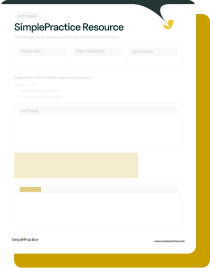
Download the co-occurring disorders worksheet
Download now
Download the co-occurring disorders worksheet
Download nowEducate clients on how mental health conditions and substance use disorders often overlap using evidence-based psychoeducation.
Identify common risk factors such as genetics, trauma, and adverse childhood experiences to help clients understand the root of their dual diagnosis.
Use specialized co-occurring disorders worksheets to facilitate therapeutic discussions and track progress between sessions.
Incorporate dual diagnosis worksheets into electronic health records to provide clients with accessible, high-quality recovery resources.
Combine the dual diagnosis worksheets with tools like relapse prevention and urge surfing worksheets to create a comprehensive, integrated treatment plan.
If you work with clients who have a dual diagnosis, these co-occurring disorders worksheets give you ready-to-use tools for psychoeducation and treatment planning.
This article provides psychoeducation about dual diagnosis and types of co-occurring disorders to describe to clients.
We’ve also included free downloadable co-occurring disorders worksheets and recovery worksheets to use with clients and save to your electronic health record (EHR) for use in your practice.
The term co-occurring disorders (also called dual diagnosis) is used to describe someone who experiences a mental health and substance use disorder at the same time. For example, a person with depression may also experience alcohol use disorder.
Co-occurring disorders are more common than you might think. According to the Substance Abuse and Mental Health Services Administration (SAMHSA), approximately 21.2 million adults in the United States have co-occurring disorders, and people with mental health disorders are at a higher risk of developing a substance use disorder.
Our dual diagnosis worksheets can help clients better understand their diagnosis and treatment options.
According to the National Institute on Drug Abuse, common disorders that co-occur with substance use disorders include:
Anxiety
Depression
Post-traumatic stress disorder (PTSD)
Disorders of psychosis
Antisocial personality disorder
Individuals may also use more than one substance at the same time, which is called polysubstance use. For example, a person may use alcohol, cannabis, and tobacco. Polysubstance use is a significant risk factor for fatal overdose.
Substance use disorders can also co-occur with other health conditions, including:
Cancer: Research shows a link between alcohol use and some types of cancer, and one-third of cancer deaths are related to smoking.
Chronic pain: Studies show that prescription opioid use can increase the risk of opioid use disorder. People with chronic pain commonly experience other mental health disorders, like depression.
Heart disease: Use of alcohol, methamphetamine, cocaine, and prescription stimulants increases the risk of heart problems.
HIV and other transmissible diseases: Drug use and related behaviors can increase the risk of infectious disease transmission, due to the use of syringes, and use of drugs can affect judgment and inhibition, leading to risky behaviors.
Sleep problems: Substance use impacts the body’s internal sleep system, affecting quality of sleep and increased risk of withdrawal.
Understanding risk factors can help clients get the most out of their co-occurring disorders worksheets and treatment plan.
Risk factors include:
Adverse childhood experiences such as abuse, neglect, household mental health conditions, and loss of a parent through divorce, death, or incarceration.
Other mental health conditions can increase the risk of substance use, such as anxiety or depression.
Untreated attention-deficit hyperactivity disorder (ADHD) increases the risk of developing a substance use disorder.
Early drug use in adolescence is a risk factor for substance use and mental health disorders in later life. For instance, teens who frequently smoke marijuana are at an increased risk of psychosis in adulthood.
Genetics can influence the vulnerability to a substance use disorder. Research shows that 40% to 60% of a person’s vulnerability to develop a use disorder is linked to genetics.
Environmental influences can increase the risk of substance use and mental health disorders, such as chronic stress and trauma. For instance, people who experience trauma may use substances to cope, which may increase the risk of substance use disorder.
You can download and use the dual diagnosis worksheets in several ways.
For example, use the co-occurring disorders worksheets as a session psychoeducational prompt.
Provide clients with the worksheet to remind them of what you discussed during therapy. Then, ask the client to reflect on the recovery worksheets between sessions and share their progress at their next therapy appointment.
You may also combine the co-occurring disorders handouts with other recovery and substance abuse worksheets, like relapse prevention worksheets, urge surfing worksheet, and money management in recovery worksheets.
Substance Abuse and Mental Health Services Administration. (2024). Co-occurring Disorders and Other Health Conditions.
Substance Abuse and Mental Health Services Administration. (2024). 2023 National Survey on Drug Use and Health: Detailed tables.
National Alliance on Mental Illness. (2015). Dual Diagnosis.
National Institute on Drug Abuse. (2024). Co-occurring Disorders and Health Conditions.
National Institute on Drug Abuse. (2020). Common comorbidities with substance use disorders: Research report.
SimplePractice is HIPAA-compliant practice management software with everything you need to run your practice built into the platform—from booking and scheduling to insurance and client billing.
If you’ve been considering switching to an EHR system, SimplePractice empowers you to run a fully paperless practice—so you get more time for the things that matter most to you.
Try SimplePractice free for 30 days. No credit card required.






Proudly made in Santa Monica, CA © 2026 SimplePractice, LLC
Proudly made in Santa Monica, CA © 2026
SimplePractice, LLC