Triggers and coping skills worksheet for people in recovery

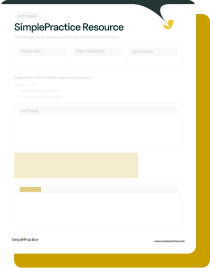
Download the free relaxation worksheets
Download nowWhile it’s unrealistic to avoid stress entirely, helping clients develop relaxation coping skills is an effective way to reduce their overall distress levels.
This article provides an overview of clinical relaxation techniques and how to use relaxation worksheets and calming worksheets with clients.
To support your clinical work, we’ve included a free downloadable relaxation worksheet that you can save to your electronic health record (EHR) and use in your practice.
Stress and anxiety are often felt in the body. These physical (also called somatic) symptoms can cause muscle tension, neck aches, headaches or migraine, jaw tightness, backaches, digestive issues, difficulty concentrating, racing thoughts, and a racing heart.
Research suggests that ongoing chronic stress can have significant effects on mental and physical health, causing:
Anxiety
Depression
Difficulties with emotional regulation
Increased blood pressure
Lowered immunity
Sleep difficulties
Substance use disorders
Impacts on cancer progression and recovery
Relaxation techniques are practices that can help reduce the body’s stress and induce a state known as the “relaxation response,” which lowers levels of stress, tension, and anxiety. These techniques use a combination of somatic exercises, mindfulness, visualizations, and breathing exercises.
These techniques can be used as an intervention in therapy to improve symptoms of:
Anxiety
Depression
Chronic pain
Stress
High blood pressure
Migraine
Gastrointestinal conditions, such as constipation or reflux
Chronic heart conditions
By teaching clients relaxation coping skills, therapists can help them transition from a state of sympathetic arousal (fight-or-flight) to parasympathetic recovery, facilitating deeper cognitive work during sessions.
Research suggests that relaxation exercises can lower blood pressure, alleviate symptoms of anxiety and depression, enhance emotional regulation, and improve sleep quality.
Our relaxation worksheets can help clients practice these techniques independently between sessions.
The calming worksheets cover some of the most commonly used relaxation techniques, including:
These breathing techniques can be practiced for just a few minutes to help relieve stress:
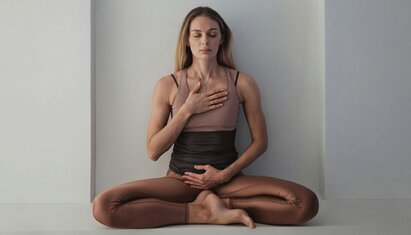
Diaphragmatic breathing: Also known as abdominal breathing, this technique involves deep breathing that engages the stomach. You can perform this exercise by placing one hand on your abdomen and the other on your chest, inhaling deeply through your nose to watch your belly rise. Then, exhale and observe your stomach return to its normal position.
Box breathing: This technique involves inhaling for a count of four, holding for a count of four, exhaling for a count of four, and holding for a count of four.
The following grounding exercises help relieve tension by connecting with the body, senses, and the present moment:
5-4-3-2-1 technique: Through the senses, this technique involves naming five things you can see, four things you can touch or feel, three things you can hear, two things you can smell, and one thing you can taste.
Progressive muscle relaxation: This involves tensing and relaxing different muscles in the body to release tension, working from the feet to the top of the head.
Visualizations: This exercise involves finding a quiet space, closing your eyes, and visualizing an environment in which you feel at ease. It can be somewhere you’ve been before or something you imagine.
These grounding exercises are outlined in our calming worksheets for easy client reference.
Mindfulness-based relaxation strategies include guided meditations, body scans, prayer or mantra meditation, and body awareness exercises.
Sensory activities include taking in sights from nature, sound-based relaxation through listening to music or the sounds of the ocean, and using scents, like aromatherapy, to relax the mind and body.
Autogenic training uses a combination of statements and visualizations to help the body and mind relax.
Biofeedback uses an electronic device to monitor specific body measurements, like heart rate, blood pressure, and muscle tension, so you can see how your body responds to changes in stress and tension.
Other relaxation techniques include massage, hot tubs, yoga, Tai Chi, Qigong, and grounding exercises that help you reconnect with your body and the present moment.
See our relaxation worksheets for a full overview of body-based calming strategies.
You can download and use the calming strategies worksheets in several ways.
For example, use the worksheet in session to demonstrate relaxation coping skills. Provide the relaxation worksheets to the client to remind them of what you discussed during therapy. Ask the client to try one of the relaxation strategies from the calming worksheets between sessions and report their progress at the next therapy appointment.
You can also share the relaxation worksheet with coworkers, peers, and supervisees, or print copies of the fun calming worksheets for your waiting room or office.
Corliss, J. (n.d.). Six relaxation techniques to reduce stress. Harvard Health Publishing, Harvard Medical School.
University of Michigan. (n.d). Relaxation Skills for Anxiety.
National Institutes of Health. (2021). Relaxation Techniques: What You Need To Know. National Center for Complementary and Integrative Health.
Schneiderman, N., Ironson, G., & Siegel, S. D. (2005). Stress and health: psychological, behavioral, and biological determinants. Annual review of clinical psychology.
SimplePractice is HIPAA-compliant practice management software with everything you need to run your practice built into the platform—from booking and scheduling to insurance and client billing.
If you’ve been considering switching to an EHR system, SimplePractice empowers you to run a fully paperless practice—so you get more time for the things that matter most to you.
Try SimplePractice free for 30 days. No credit card required.





Proudly made in Santa Monica, CA © 2026 SimplePractice, LLC
Proudly made in Santa Monica, CA © 2026
SimplePractice, LLC