Mindfulness and addiction worksheets


Published February 25, 2026
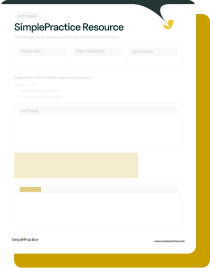
Download the triggers and coping skills worksheet for people in recovery
Download now
Download the triggers and coping skills worksheet for people in recovery
Download nowFor people in recovery, developing a personalized relapse prevention plan or using a triggers and coping skills worksheet identifying specific triggers and preferred coping strategies before cravings occur can significantly improve recovery outcomes.
Relapse progresses through three distinct stages—emotional, mental, and physical—making early intervention critical to preventing actual substance use.
Common relapse triggers include social pressure, visiting old locations, stressful situations, relationship conflicts, life transitions, withdrawal symptoms, and untreated mental health conditions.
Substance use disorder has a 40-60% relapse rate, which is comparable to relapse rates for chronic illnesses like diabetes and hypertension.
Effective coping strategies include attending recovery meetings, contacting sponsors or therapists, exercising, practicing breathing techniques, and using distraction methods included in our coping with triggers worksheet.
Exploring relapse triggers with clients is an effective strategy to prevent relapse from substance use disorders.
This article provides an overview of common relapse triggers and a helpful coping with triggers worksheet to suggest to clients.
We’ve included a free downloadable triggers and coping skills worksheet that you can save to your electronic health record (EHR) and share with clients.
Substance use disorder is a treatable chronic brain disorder that has similar rates of relapse to other chronic illnesses. For example, conditions like diabetes and hypertension have the same rates of relapse as substance use disorder, ranging from 40% to 60%, according to the National Institute on Drug Abuse.
While relapse is common with substance use disorder, developing a strong relapse prevention plan, such as through the use of a triggers and coping skills worksheet, can be helpful. Some experts believe that relapse happens gradually, often occurring for weeks or months before picking up a substance.
The stages of relapse typically include:
This stage includes the thoughts and feelings that may make someone vulnerable to returning to use, such as “bottling up their emotions,” social withdrawal, stress, and difficulty sleeping.
This stage involves thoughts of using even if the person has been in recovery for a while and may not want to act on those urges. However, tension typically occurs between the desire to use and the commitment to recovery.
Physical relapse is the act of picking up a substance and using it.
The goal of relapse prevention is to increase awareness of early warning signs, allowing individuals to stop the relapse process before it progresses.
Some common triggers of relapse include:
Social pressure to use drugs or alcohol
Hanging out at the same places you used to drink or use substances, like bars and clubs
Stressful situations, such as returning to a stressful job or navigating a challenging event
Dealing with the consequences of prior use, like financial problems, legal difficulties, and repairing ruptures in relationships
Relational conflicts, such as separation, breakups, and divorce
Life transitions, such as moving, starting a new job, entering a new relationship, or relocating
Prolonged withdrawal: Certain substances, like alcohol, benzodiazepines, and opioids, have the potential for long-term withdrawal symptoms called post-acute withdrawal syndrome, which is a risk factor for relapse
Intense cravings for substances when experiencing a stressor, crisis, or just a strong desire to use
Smelling a substance or some other sensory reminder of using
Unresolved trauma or a new traumatic event
Untreated co-occurring mental health conditions
Developing a serious medical condition or a loved one becoming sick
While people in recovery may benefit from an individualized coping strategy, common coping skills for triggers that are included in the coping with triggers worksheet are:
Going to a recovery meeting, like SMART Recovery, Recovery Dharma, Alcoholics Anonymous, Women for Sobriety, LifeRing, Refuge Recovery, or Celebrate Recovery
Speaking to a friend in recovery, a mentor, or a sponsor
Checking in with your therapist
Using a personalized relapse prevention plan
Practicing distress tolerance or emotional regulation skills, like urge surfing or progressive muscle relaxation
Going for a walk, run, or lifting weights
Trying a mindfulness technique, such as meditation or deep breathing
Using a distraction technique, such as jumping jacks, calling a friend, or taking a nap
We’ve included this list in our coping with triggers worksheet that you can download for free.
You can download and use the managing triggers worksheet in several ways:
Use the worksheet to provide psychoeducation about relapse prevention, triggers, and coping skills
Complete the triggers and coping skills worksheet collaboratively in session and give the client a copy to take home
Ask clients to reflect on the worksheet, complete the reflection questions between sessions, and report their findings at their next therapy appointment
Use the coping with triggers worksheet in group therapy sessions on relapse prevention
Combine the triggers and coping skills worksheet with other substance use and recovery-related worksheets, including our substance use assessment form, money management in recovery worksheets, urge surfing worksheet, and substance use disorder group topics for recovery
Share the worksheet with coworkers or leave copies in your office
Use the triggers and coping skills worksheet to provide training to interns or supervisees
National Institute on Drug Abuse. (2023). Treatment and Recovery.
Melemis S. M. (2015). Relapse Prevention and the Five Rules of Recovery. The Yale journal of biology and medicine.
Sanchez, R. D., & Asghar-Ali, A. A. (2021). Clinician guide to post-acute withdrawal syndrome from alcohol. South Central Mental Illness Research, Education, and Clinical Center (MIRECC), U.S. Department of Veterans Affairs.
SimplePractice is HIPAA-compliant practice management software with everything you need to run your practice built into the platform—from booking and scheduling to insurance and client billing.
If you’ve been considering switching to an EHR system, SimplePractice empowers you to run a fully paperless practice—so you get more time for the things that matter most to you.
Try SimplePractice free for 30 days. No credit card required.






Proudly made in Santa Monica, CA © 2026 SimplePractice, LLC
Proudly made in Santa Monica, CA © 2026
SimplePractice, LLC