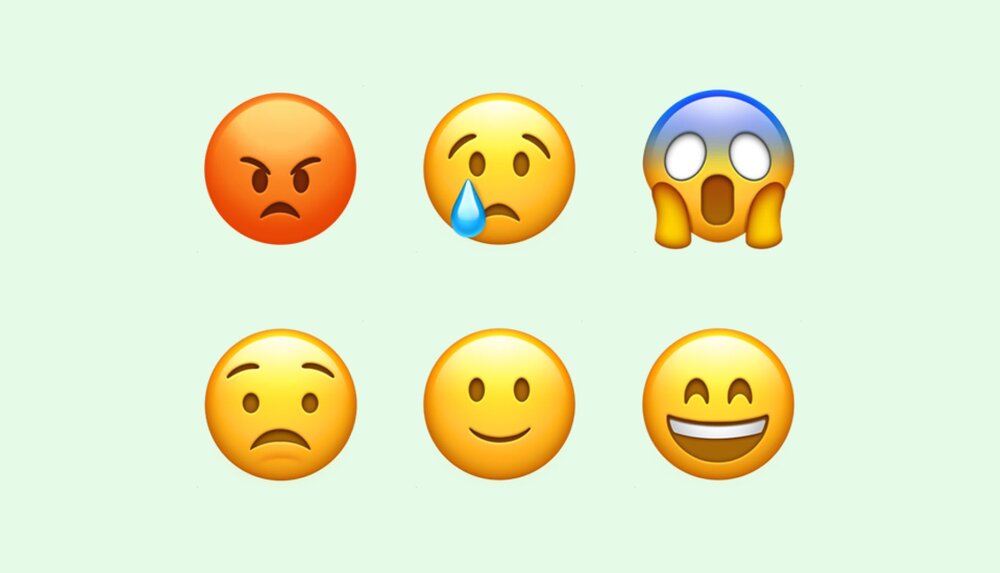
‘On a scale of how are you feeling today?’ worksheet for kids

Published October 23, 2026

Download the bipolar disorder chart worksheet
Download now
Download the bipolar disorder chart worksheet
Download nowBipolar disorder charts can be a helpful resource to provide psychoeducation on the types of bipolar disorder and self-management strategies for clients, empowering them to spot early warning signs. This article provides an overview of bipolar disorder and bipolar charts that illustrate bipolar cycles.
We’ve included a free downloadable bipolar disorder chart, containing a bipolar cycle chart and mood log, to save to your electronic health record. The worksheet is designed to be used with a provider, not for self-diagnosis.
Bipolar disorder is a mental health condition that affects an individual’s mood, energy, activity levels, and concentration, according to the National Institute of Mental Health. People who experience bipolar disorder may have periods where they feel “up” or periods of feeling “down.”
The Diagnostic and Statistical Manual of Mental Disorders, 5th edition, text revision (DSM-5-TR) lists several bipolar and related disorders. The four most commonly discussed are:
Bipolar I disorder: This type of bipolar disorder features one or more episodes of mania (periods of abnormally elevated, expansive, or irritable mood and increased energy). A person with bipolar I disorder may also experience episodes of depression, but depression is not necessary to meet the diagnostic criteria. To receive a diagnosis of bipolar I disorder, the person must have experienced a manic episode for at least seven days, or a manic episode of any length that required hospitalization.
Bipolar II disorder: A type of bipolar disorder defined by at least one hypomanic episode and at least one major depressive episode. People with bipolar II disorder don’t experience full mania.
Cyclothymic disorder: Also called cyclothymia, this disorder involves a chronic and unstable mood state with hypomanic and depressive symptoms, not meeting criteria for a full episode, lasting at least two years (one year in children and adolescents). During that time, people with cyclothymia may also have periods of normal mood that last for less than eight weeks.
Other specified or unspecified bipolar and related disorder: A category for people who do not meet the criteria for another bipolar disorder but still experience periods of clinically significant mood elevation.
Rapid cycling can occur with bipolar I or bipolar II disorder and means having four or more mood episodes (manic, hypomanic, or major depressive) within 12 months.
While symptoms vary between the types of bipolar disorder, and in severity, bipolar disorder involves episodes of the following:
Depression: This might look like being unable to get out of bed, difficulty sleeping or sleeping more than usual, struggling with decision-making, feeling slowed down or restless, talking slowly, losing interest in activities, feeling sadness or anxiety, and experiencing feelings of guilt, loss, helplessness, and a sense of failure. Periods of depression must be present nearly every day, most of the day, for at least two weeks and impair the person’s ability to function. Depression can also involve suicidal ideation. If a client is in crisis, they can call or text 988 to reach the 988 Suicide & Crisis Lifeline.
Mania: Periods of abnormally elevated, expansive, or irritable mood and increased energy typically lasting at least one week, during which individuals may be impulsive, have a decreased need for sleep, have racing thoughts, feel unusually important, talented, or powerful, and take risks. They may not be aware of manic behavior, and some people have suicidal thoughts during manic episodes. Mania may include psychotic symptoms such as delusions or hallucinations. People with bipolar disorder who have psychotic symptoms can sometimes be wrongly diagnosed with schizophrenia.
Hypomania: A milder form of mania lasting at least four days, during which the person experiences an elevated mood but can work or function in social situations.
A bipolar mood graph, or bipolar diagram, illustrates how the symptoms of each type of bipolar disorder vary. For example, people with bipolar I may experience periods of mania, euthymia (a stable mood state), depression, euthymia, and mania. People with bipolar II may experience hypomania, euthymia, and major depression. A bipolar 2 chart typically shows hypomanic and depressive episodes with no full mania. And people with cyclothymia may experience frequent shifts between hypomanic and depressive symptoms that are less severe than full episodes.
Our bipolar disorder chart contains a bipolar diagram illustrating the different types and cycles of bipolar disorder and a mood log. Suggested uses for the bipolar disorder chart include:
Use the bipolar cycle chart to provide psychoeducation about monitoring mood and other symptoms.
Ask the client to complete the mood log between sessions and report their findings at their next therapy appointment. The Depression and Bipolar Support Alliance also offers wellness trackers.
Use the chart in group therapy sessions to explain the different types of bipolar, demonstrating with the bipolar cycle chart how each type differs.
Combine this worksheet with other resources, such as our bipolar psychoeducation, bipolar mood chart, coping skills for depression, bipolar psychosis information, sleep diary template, and ICD-10 bipolar disorder coding guide.
Share the worksheet with coworkers or leave copies in your office.
Use this worksheet to provide training to interns or supervisees on bipolar disorder.
American Psychiatric Association. (2022). Diagnostic and statistical manual of mental disorders (5th ed., text rev.). American Psychiatric Association Publishing.
American Psychiatric Association. (2024). What are bipolar disorders?
Center for Clinical Interventions. (2019). Mood and symptom monitoring. Government of Western Australia.
Depression and Bipolar Support Alliance. (2024). Wellness trackers.
Geerling, B., Kelders, S. M., Kupka, R. W., Stevens, A. W. M. M., & Bohlmeijer, E. T. (2021). How to make online mood-monitoring in bipolar patients a success? A qualitative exploration of requirements. International Journal of Bipolar Disorders.
National Alliance on Mental Illness. (n.d.). Bipolar disorder.
National Institute of Mental Health. (n.d.). Bipolar disorder.
Ngor, A., Steiner, A. J., Pakhdikian, S., Okikawa, D., Pizano, D., et al. (2023). Bipolar and related disorders. Atlas of psychiatry. Springer.
SimplePractice is HIPAA-compliant practice management software with everything you need to run your practice built into the platform—from booking and scheduling to insurance and client billing.
If you’ve been considering switching to an EHR system, SimplePractice empowers you to run a fully paperless practice—so you get more time for the things that matter most to you.
Try SimplePractice free for 30 days. No credit card required.






Proudly made in Santa Monica, CA © 2026 SimplePractice, LLC
Proudly made in Santa Monica, CA © 2026
SimplePractice, LLC