Bullying worksheets for kids


Published October 20, 2026
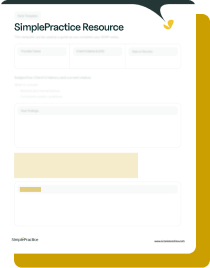
Download the trauma timeline worksheet
Download now
Download the trauma timeline worksheet
Download nowA trauma timeline helps clients organize traumatic events and see how those experiences affect their lives today. This article explains how to create one, with examples and tips for using a trauma timeline template in session.
You can also download our free trauma timeline worksheet and save it to your electronic health record (EHR) to use in your practice.
A trauma timeline worksheet is a therapeutic tool used to map out and organize traumatic events. There are several trauma timeline templates with various approaches, such as a narrative format, visual timelines, tables, or thematic approaches.
The key information in a trauma timeline includes:
Date(s)
Event and brief description
Associated emotions, physical feelings, other sensory information, and thoughts
Therapists can use data from a client’s trauma timeline to help them process and make sense of their traumatic experiences, identify negative cognitions and patterns that may have occurred, spot trauma triggers, and find ways to alleviate the distress associated with their trauma.
The ways clinicians use the timeline information and the depth of inquiry vary depending on their therapeutic approach.
For example, a clinician using eye movement desensitization and reprocessing therapy (EMDR) will typically take brief details of the event, then focus on the target memory’s image, negative cognition, emotions, and body sensations. The EMDR International Association (EMDRIA) describes this as the assessment phase of a structured eight-phase approach, where the target event is identified along with the images, beliefs, feelings, and sensations tied to it.
In contrast, a therapist who uses a narrative approach may ask the client to approach the trauma from different angles to reauthor their story and find new meanings. Narrative exposure therapy, for example, guides clients through building a chronological account of their life that centers on traumatic experiences but also includes positive events.
Trauma timelines can take several forms.
Use a chronological trauma timeline template to record and organize single traumatic events, starting with the first memory and ending with the most recent. For example, a client might record a car accident from 2010 (age 18), with panic and shock as the emotional reaction, shaking, a racing heart, and pain as the physical reaction, “It was my fault” as the negative belief, and ongoing anxiety when driving as the trigger or impact.
A narrative approach involves the client telling their story in a written format, like in a journal, where they recall memories in as little or as much detail as they’d like. For example, the narrative may simply list a chronological record of events, or the narrative may involve finding a new interpretation of events, drawing from these experiences, and reauthoring the experience.
There are various ways to create an EMDR timeline, depending on the clinician’s training. For example, some therapists use a thematic approach to targets, by identifying specific themes of related memories, such as abandonment, safety and trust, or loss and grief, then the negative cognition tied to each theme and the first, worst, and/or most recent related memories. This approach can be helpful for clients with a complex trauma history or those with dissociative symptoms, who may struggle to recall chronological memories.
You can download and use the trauma timeline therapy worksheet in several ways:
Use the trauma timeline worksheet to provide psychoeducation about trauma.
Complete the worksheet collaboratively in session and give the client a copy to take home.
Ask the client to complete the timeline between sessions and bring it to their next therapy appointment.
Use the trauma timeline template in group therapy sessions when clinically appropriate, such as to explore common themes rather than individual details.
Combine this worksheet with other trauma-related worksheets and articles, including how to deal with triggers from trauma and a cognitive-behavioral therapy (CBT) for post-traumatic stress disorder (PTSD) worksheet.
Pair it with prolonged exposure therapy and how to move through PTSD to post-traumatic growth.
Share the trauma timeline worksheet with coworkers or leave copies in your office.
Use this worksheet to provide training to interns or supervisees on EMDR, trauma, and the use of trauma timelines in therapy.
American Psychological Association. (2025). Narrative exposure therapy.
Hase, M. (2021). The structure of EMDR therapy: A guide for the therapist. Frontiers in Psychology.
Kaufman, S. (2021). The eight phases of EMDR therapy. EMDR International Association.
SimplePractice is HIPAA-compliant practice management software with everything you need to run your practice built into the platform—from booking and scheduling to insurance and client billing.
If you’ve been considering switching to an EHR system, SimplePractice empowers you to run a fully paperless practice—so you get more time for the things that matter most to you.
Try SimplePractice free for 30 days. No credit card required.






Proudly made in Santa Monica, CA © 2026 SimplePractice, LLC
Proudly made in Santa Monica, CA © 2026
SimplePractice, LLC