Cognitive distortions blaming worksheet


Published September 22, 2026
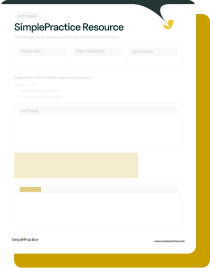
Download the relationships in recovery worksheet
Download now
Download the relationships in recovery worksheet
Download nowRelationships can play a significant and supportive role in a person’s recovery. However, when relationships are imbalanced or unhealthy, they have the potential to derail a person’s recovery and risk relapse.
Along with our downloadable healthy relationships in recovery worksheets PDF, this article provides an overview of relationships in recovery, signs of a healthy relationship, and red flags to watch out for.
We’ve included a free downloadable relationships in recovery worksheet to save to your electronic health record (EHR) and use in your practice.
Relationships in recovery can have a positive or negative impact on an individual’s recovery journey. They contain the potential to provide significant relational healing, emotional support, and connection. Research shows that relationships can improve mental health, discourage substance use, and lead to enhanced recovery outcomes. However, this issue can be complex, given the histories of some people with substance use disorders.
Some people in recovery may have experienced dysfunctional social and familial relationships, especially if their childhood involved a family history of substance use and mental health issues. They may not have experienced healthy relationship modeling, which can impact attachment style, trust, emotional regulation, and coping strategies in adult relationships.
For many people in recovery, there is a relational component to their healing journey—which clinicians can facilitate using a relationships in recovery worksheet to help clients develop secure attachment, identify signs of dysfunction, set clear boundaries, and strengthen coping skills.
Green flags, or signs of healthy attributes in a relationship, include:
Healthy communication: Relationships take effort and the willingness to listen, hear, and understand what each other person is communicating. This requires active listening skills and the ability and desire to resolve conflict.
Boundaries: Each person in the relationship should set and maintain healthy boundaries. That might be time alone, taking time to process in different ways, and respecting that each person may want separate time with their friends or individual pursuits.
Effort: Each person makes a consistent effort in the relationship to meet each other's needs, resolve conflicts, and take an active interest in each other's happiness, and in strengthening the relationship.
Humility and accountability: Everyone makes mistakes from time to time. What’s important is having the humility to acknowledge one’s part and take responsibility in making things right.
Secure attachment: Many folks in relationships have a mix of attachment styles, which often reflect childhood wounds. However, relationships offer the opportunity to practice secure attachment through open communication, consistency, honesty, emotional availability and responsiveness, empathy, safety, healthy boundaries, staying regulated, willingness to resolve conflict, trust, and supporting one another.
While all relationships experience ups and downs, including conflict, there are some signs that the relationship may need some additional support, like seeing a couples therapist.
Signs your relationship may need some extra work include:
Unresolved conflicts: If the relationship involves frequent but unresolved conflict, this can lead each person to feel resentful, hurt, or misunderstood. A key part of a healthy and functional relationship is the ability to resolve and repair conflict, so if a pattern is developing, then it may be time to seek outside help.
Codependency: While it's essential to be able to rely on a partner and feel they are emotionally responsive, sometimes that need can tip over into codependency. Signs of codependency involve not being able to cope without the other person, feeling jealous or insecure when apart, fear of rejection, always wanting to know what your partner is doing or who they are with, difficulty saying “no” to your partner and not respecting boundaries, feeling the need to “fix them,” approval seeking, and abandoning your own needs in favor of making them happy.
Lack of support: A lack of support in the relationship might look like a lack of responsiveness, feeling like a partner is not a priority, spending more time apart than together, and questioning the commitment in the relationship.
Poor communication: Feeling unheard, raised voices, avoiding difficult conversations, and feeling unable to express one's feelings are signs clients may need to work on their communication skills.
Most of the time, a lot of these issues can be resolved in therapy by learning how to communicate more effectively and finding new and supportive ways to show up for a partner.
However, if a relationship involves abusive, controlling, or coercive behavior, consistent boundary violations, or ongoing substance use, these red flags indicate that a client may need individual therapy to address safety concerns and prioritize personal well-being immediately.
We’ve included these green and red flags in our free healthy relationships in recovery worksheets PDF.
You can download and use the relationships in recovery worksheet in several ways:
Use the worksheet to provide psychoeducation about relationships and relapse prevention.
Complete the repairing relationships in recovery worksheet collaboratively in session with the couple and give them a copy to take home.
Ask the client to reflect on the worksheet and complete the reflection questions between sessions and report their findings at their next therapy appointment.
Use the healthy relationships in recovery worksheets PDF in group therapy sessions to encourage clients to provide psychoeducation on the impact of relationships on substance use recovery.
Combine this worksheet with other relational and substance use recovery worksheets, such as our money management in recovery worksheets, conflict resolution worksheets, assertive communication examples, “I statements” worksheet, relapse prevention worksheets, and boundaries exploration worksheet.
Share the relationships in recovery worksheet with coworkers or leave copies in your office.
Use this worksheet to provide training to interns or supervisees.
Brousseau, N. M., Karpyn, A., Laurenceau, J. P., Farmer, H. R., Kelly, J. F., et al. (2022). The impacts of social support and relationship characteristics on commitment to sobriety among people in opioid use disorder recovery. Journal of Studies on Alcohol and Drugs.
Gutierrez, D., Goshorn, J. R., & Dorais, S. (2022). An exploration of thriving over time in recovery. Journal of Substance Abuse Treatment.
Lander, L., Howsare, J., & Byrne, M. (2013). The impact of substance use disorders on families and children: from theory to practice. Social Work in Public Health.
Pettersen, H., Landheim, A., Skeie, I., Biong, S., Brodahl, M., et al. (2019). How social relationships influence substance use disorder recovery: a collaborative narrative study. Substance Abuse: Research and Treatment.
SimplePractice is HIPAA-compliant practice management software with everything you need to run your practice built into the platform—from booking and scheduling to insurance and client billing.
If you’ve been considering switching to an EHR system, SimplePractice empowers you to run a fully paperless practice—so you get more time for the things that matter most to you.
Try SimplePractice free for 30 days. No credit card required.






Proudly made in Santa Monica, CA © 2026 SimplePractice, LLC
Proudly made in Santa Monica, CA © 2026
SimplePractice, LLC