Jumping to conclusions worksheet


Published October 7, 2026
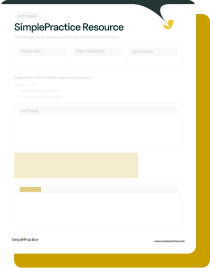
Download the triggers and cravings worksheet
Download now
Download the triggers and cravings worksheet
Download nowSupporting clients in managing triggers and cravings is an essential part of relapse prevention and sustained recovery.
This article provides an overview of substance use relapse triggers and coping strategies to suggest to clients.
We’ve included a free downloadable triggers and cravings worksheet to save to your electronic health record (EHR) and use in your practice.
Urges and triggers are the internal and external cues that remind someone of using, promote cravings to use, and ultimately put them at risk of relapse.
Triggers might include:
Peer pressure to use drugs or alcohol
Consequences of prior use, such as financial, legal, or relationship problems
Spending time in places associated with past use, like bars and clubs
Stressful situations, like a demanding job or a challenging situation
Complicated feelings, like loneliness, fear, anger, or sadness
Conflict or a breakup
Life transitions, like moving, starting a new job, or beginning a new relationship
Prolonged withdrawal symptoms after completing treatment
Intense cravings
Smelling a substance or seeing a physical reminder of use
Unresolved trauma
Experiencing a traumatic event
Untreated mental health conditions, like depression or anxiety
The death of a loved one
Developing a serious medical condition or a loved one becoming sick
Clients can use our triggers and cravings worksheet to identify which of these triggers apply to them and why.
The best way to deal with urges and cravings is to develop a relapse prevention plan that includes a list of coping skills and strategies for times of distress.
Examples of coping skills for cravings and triggers include:
Encourage clients to go to a recovery meeting, such as SMART Recovery, Recovery Dharma, Alcoholics Anonymous, Women for Sobriety, Narcotics Anonymous, LifeRing, Refuge Recovery, or Celebrate Recovery.
Suggest that clients call a sponsor, recovery mentor, peer, or friend in recovery to talk about cravings, and ask to meet for coffee or attend a recovery meeting together.
Teach clients to use a distraction technique, such as doing jumping jacks, taking a nap, focusing on someone else, counting, tackling a challenging task, learning a new hobby, or meditating.
Remind clients that they can call their therapist or recovery counselor to check in.
Dialectical behavioral therapy (DBT) uses practical distress tolerance and emotional regulation skills to help clients cope with challenging situations and difficult emotions. DBT tools to share with clients for triggers or cravings include:
TIP skill: This skill quickly calms feelings of overwhelm using temperature, exercise, and breathing techniques. We've included instructions for these coping skills in the triggers and cravings worksheet below.
IMPROVE skill: This skill replaces a distressing environment with a more positive one by using imagery, meaning, prayer, relaxation, focusing on one thing, vacation, and encouragement.
Self-soothing: This skill uses the senses to provide calm and relieve stress.
STOP: The STOP skill is an acronym for:
Stop: When feeling intense emotions, pause to prevent reactions.
Take a step back: Take a moment to breathe and assess the situation.
Observe: Once calm, observe thoughts, check the facts, and avoid jumping to conclusions or overreacting.
Proceed mindfully: Consider possible outcomes from a place of calm and mindfulness.
Opposite action: The opposite action skill encourages clients to choose a response opposite to the one they typically rely on. For example, when a client feels low, the opposite action would be to move their body and socialize. When a client feels angry, the opposite action is to consider the situation from another perspective and find ways to show compassion.
We’ve included this list of coping strategies in our coping with cravings worksheet, which you can download below.
You can download and use the coping with cravings worksheet in several ways:
Use the worksheet to provide psychoeducation about coping skills for cravings.
Complete the urges and cravings worksheet collaboratively in session and give the client a copy to take home.
Use the coping with cravings worksheet as the basis for a relapse prevention plan.
Ask the client to reflect on the worksheet, complete the reflection questions between sessions, and report their findings at their next therapy appointment.
Use the coping skills for cravings list in group therapy sessions to encourage clients to share how they handle triggers and urges.
Combine this worksheet with other substance use and recovery-related resources, including our substance use assessment form, triggers and coping skills worksheet, money management in recovery worksheets, urge surfing worksheet, and substance use disorder group topics for recovery.
Share the triggers and cravings worksheet with colleagues.
Use the worksheet to train interns or supervisees on substance use disorder and relapse prevention.
Boston Center for Treatment Development and Training. (n.d.). Recognizing triggers and urges.
Melemis, S. M. (2015). Relapse prevention and the five rules of recovery. The Yale Journal of Biology and Medicine.
National Institute on Drug Abuse. (2020). Treatment and recovery.
Sanchez, R. D., & Asghar-Ali, A. A. (2021). Clinician guide to post-acute withdrawal syndrome from alcohol. South Central Mental Illness Research, Education, and Clinical Center (MIRECC), U.S. Department of Veterans Affairs.
SimplePractice is HIPAA-compliant practice management software with everything you need to run your practice built into the platform—from booking and scheduling to insurance and client billing.
If you’ve been considering switching to an EHR system, SimplePractice empowers you to run a fully paperless practice—so you get more time for the things that matter most to you.
Try SimplePractice free for 30 days. No credit card required.






Proudly made in Santa Monica, CA © 2026 SimplePractice, LLC
Proudly made in Santa Monica, CA © 2026
SimplePractice, LLC