DBT for BPD worksheets


Published October 28, 2026
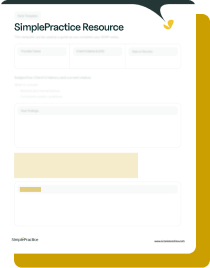
Download the defense mechanisms worksheet
Download now
Download the defense mechanisms worksheet
Download nowA defense mechanisms worksheet may be a helpful tool for therapists to support clients in identifying their defense mechanisms. This article provides an overview of defense mechanisms and different coping strategies to suggest to clients. We’ve included a free downloadable defense mechanisms psychology worksheet to save to your electronic health record.
Defense mechanisms are psychological strategies people use to reduce stress or internal conflicts. Sigmund Freud first described defense mechanisms in the 1890s as unconscious ways the ego protects itself from anxiety caused by conflict among the id, ego, and superego. His daughter, Anna Freud, later defined 10 of them more clearly, describing them as “unconscious resources used by the ego,” according to a StatPearls review. The field of psychology has since expanded these definitions and added more defense mechanisms.
Common examples include:
Acting out: Expressing difficult emotions through behavior instead of words. For example, a teenager shouting at their parents instead of communicating that they had a hard day at school.
Avoidance: Dismissing uncomfortable thoughts or feelings, or avoiding certain situations or people. For example, someone avoiding a particular street because it reminds them of a traumatic event.
Altruism: Avoiding pain by helping others. For example, dedicating time to volunteering instead of grieving the loss of a loved one.
Denial: Refusing to accept reality because it feels too painful or threatening. For example, a person gets into alcohol-fueled fights with their partner when drunk but denies having a problem with alcohol.
Displacement: Redirecting emotions from the person or situation that caused them onto a safer target. For example, someone shouts at their partner after a tense meeting because it feels safer than telling their boss the comments were upsetting.
Devaluation: Minimizing the value of a person considered a threat. For example, saying “I never really loved them” to describe an ex after a breakup.
Projection: Attributing unacceptable thoughts and feelings onto another person. For instance, accusing a partner of being unfaithful when the accuser is the one who cheated.
Repression: Blocking or pushing down distressing thoughts or memories from awareness. For example, not remembering details of a painful childhood event.
Sublimation: Channeling unacceptable impulses into socially acceptable activities. For example, redirecting rage into boxing or football.
Splitting: Thinking everything or someone is either really great or terrible. For example, stating that a brother is awful because he forgot to call.
Intellectualization: Focusing on facts and logic to avoid emotional distress. For example, looking at research papers and studies after a cancer diagnosis to avoid acknowledging feelings.
Rationalization: Explaining away behaviors and motivations with seemingly logical but untrue justifications. For example, cheating on an exam but justifying it as OK because the person typically studies hard for exams.
Reaction formation: Acting in a way that’s the opposite of how one truly feels because those feelings seem unacceptable. For example, being overly friendly to a resented coworker.
Undoing: Trying to cancel out or make up for a thought, feeling, or behavior one feels guilty about. For example, buying a partner an expensive gift after snapping at them, as if it erases what happened.
We’ve included this list in our free downloadable defense mechanisms worksheet PDF.
Defense mechanisms are coping strategies that protect against difficult feelings, such as shame and vulnerability, and help preserve self-esteem. It can be hard to spot them because they’re often unconscious. However, it is possible to increase awareness of defense mechanisms and find more constructive ways to deal with them.
Some ways to help clients build this awareness include:
Help clients look for patterns of behavior that may be helping them avoid their feelings.
Encourage clients to reflect on the observations of others they trust.
Strengthen clients’ emotional regulation and distress tolerance skills.
Process clients’ experiences in session and explore alternative ways to cope with challenges and stressors.
You can download and use the defense mechanisms worksheet in several ways:
Use the worksheet to provide psychoeducation about defense mechanisms.
Complete the defense mechanisms psychology worksheet collaboratively in session and give the client a copy to take home.
Ask the client to reflect on the worksheet and complete the reflection questions between sessions and report their findings at their next therapy appointment.
Use the identifying defense mechanisms worksheet in group therapy sessions to encourage clients to share more about themselves with other participants.
Combine this worksheet with other relational worksheets, such as our 10 green flags in a relationship, conflict resolution worksheets, assertive communication examples, “I statements” worksheet, and boundaries exploration worksheet.
Share the defense mechanisms worksheet with coworkers or leave copies in your office.
Use the defense mechanisms psychology worksheet to provide training to interns or supervisees on common defense mechanisms.
American Psychological Association. (n.d.). Defense mechanism. APA Dictionary of Psychology.
Bailey, R., & Pico, J. (2023). Defense mechanisms. StatPearls Publishing.
SimplePractice is HIPAA-compliant practice management software with everything you need to run your practice built into the platform—from booking and scheduling to insurance and client billing.
If you’ve been considering switching to an EHR system, SimplePractice empowers you to run a fully paperless practice—so you get more time for the things that matter most to you.
Try SimplePractice free for 30 days. No credit card required.






Proudly made in Santa Monica, CA © 2026 SimplePractice, LLC
Proudly made in Santa Monica, CA © 2026
SimplePractice, LLC