Readiness ruler worksheet


Published November 17, 2026
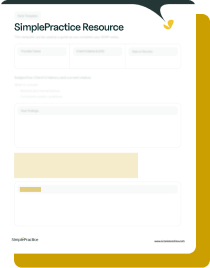
Download the ‘What does recovery mean to you?’ worksheet
Download now
Download the ‘What does recovery mean to you?’ worksheet
Download nowThe “What does recovery mean to you?” worksheet gives therapists a structured way to help clients define recovery on their own terms. This article provides an overview of various conceptions of recovery and offers tips on using a recovery worksheet to help clients explore the meaning of their sobriety. We’ve included a free downloadable “What does recovery mean to you?” mental health worksheet that you can save to your electronic health record.
The definition of recovery varies from person to person, depending on their specific goals. That’s why the “What does recovery mean to you?” worksheet asks clients to define recovery in their own terms. For example, some people choose abstinence from all substances, while others abstain only from particular substances. Broadly speaking, however, recovery involves changing a person’s relationship with substance use and improving health outcomes.
The Substance Abuse and Mental Health Services Administration (SAMHSA) defines recovery as: “A process of change through which individuals improve their health and wellness, live a self-directed life, and strive to reach their full potential.”
In their working definition of recovery, SAMHSA further defined four dimensions that support a person’s recovery journey:
Health: Overcoming substance use challenges and making choices that promote well-being.
Home: Having a safe and stable place to live.
Purpose: Finding meaning in life, work, and social endeavors, and having the means to participate in society.
Community: Developing supportive relationships.
In 2010, SAMHSA convened behavioral health leaders, including people in recovery, to develop a working definition of recovery. With input from many stakeholders, SAMHSA published the following ten guiding principles:
Recovery emerges from hope: People with substance use disorders can overcome barriers to recovery, and promoting this message gives individuals hope of a better future.
Recovery is person-driven: Everyone in recovery has the autonomy to choose their own recovery goals, pathway, and the resources and supports that meet their specific needs and goals.
Recovery occurs via many pathways: Recovery is a highly individualized process that must meet a person’s unique needs and circumstances. For example, one person may need inpatient care, whereas another individual may choose to attend a peer-support group. All pathways of recovery are valid.
Recovery is holistic: It involves all domains of a person’s life, including physical, mental, spiritual well-being, and other social needs, such as community, occupation, transportation, health care, social support, and faith-based services.
Peers support recovery: Mutual-aid support groups, such as SMART Recovery or 12-step groups, can play a crucial role in the recovery journeys of many individuals. Peers have the lived experience to support others and provide hope that recovery is possible. Other recovery allies include providers and other behavioral health professionals.
Recovery is a relational process: The support of family, friends, and other supportive individuals helps facilitate recovery by instilling hope that the person can recover and providing support and encouragement along the way.
Recovery is culturally based: Culture plays a key role in determining the right pathway and supports for recovery for each individual. Providers should ensure that their services are culturally appropriate, competent, attuned, sensitive, and personalized to meet the needs of each individual.
Recovery is supported by addressing trauma: Services should be trauma-informed to foster physical and emotional safety and trust, recognizing that many people in recovery have experienced trauma.
Recovery involves individual, family, and community strengths and responsibility: Individuals, families, and communities all contribute strengths and resources. Each person in recovery is responsible for their own care and journey, while families and communities have responsibilities to support recovery and reduce discrimination.
Recovery involves respect: It is crucial to eliminate stigma and discrimination from recovery, both individually and as providers.
As outlined in SAMHSA’s guiding principles, recovery is a highly individualized process. Some examples of recovery may include:
Medication-assisted recovery: Medications for opioid use disorder (MOUD), such as buprenorphine, to manage cravings and reduce the risk of return to use, often alongside counseling support.
12-step recovery: Attendance at Alcoholics Anonymous (AA) or Narcotics Anonymous (NA) meetings, obtaining a sponsor, and working through the 12 steps while abstaining from all substance use.
Harm reduction: Abstaining from certain substances, such as opioids, while using alcohol in moderation, or following specific conditions of use, such as not using alone, using drug-checking tools like fentanyl test strips, and getting regular support from a harm reduction program.
Moderation: The use of naltrexone as part of the Sinclair Method, in which the medication is taken before drinking, to moderate alcohol use.
Community or culturally specific recovery: Drawing on cultural, community, or spiritual practices, such as Native American ceremonies, to build connection and work toward health goals that align with a client’s cultural, spiritual, or religious beliefs.
You can download and use the recovery worksheet in several ways:
Use the “What does recovery mean to you?” worksheet to provide psychoeducation about substance use disorder recovery.
Complete the “What does recovery mean to you?” worksheet collaboratively in session and give the client a copy to take home.
Ask the client to complete the “What does recovery mean to you?” mental health reflection questions between sessions and share their responses at the next appointment.
Use the worksheet in group therapy sessions to encourage clients to share more about their definition of recovery with other participants.
Combine this worksheet with other substance abuse worksheets and recovery-related worksheets, including our substance use assessment form, money management in recovery worksheets, urge surfing worksheet, relapse prevention worksheets, and substance use disorder group topics for recovery.
Share the worksheet with coworkers or leave copies in your office.
Use this “What does recovery mean to you?” mental health worksheet to provide training to interns or supervisees on substance use disorder and recovery pathways.
Copeland Center for Wellness and Recovery. (n.d.). WRAP overview.
Laudet, A. B. (2007). What does recovery mean to you? Lessons from the recovery experience for research and practice. Journal of Substance Abuse Treatment, 33(3), 243–256.
Substance Abuse and Mental Health Services Administration. (2012). SAMHSA’s working definition of recovery: 10 guiding principles of recovery. U.S. Department of Health and Human Services.
SimplePractice is HIPAA-compliant practice management software with everything you need to run your practice built into the platform—from booking and scheduling to insurance and client billing.
If you’ve been considering switching to an EHR system, SimplePractice empowers you to run a fully paperless practice—so you get more time for the things that matter most to you.
Try SimplePractice free for 30 days. No credit card required.






Proudly made in Santa Monica, CA © 2026 SimplePractice, LLC
Proudly made in Santa Monica, CA © 2026
SimplePractice, LLC