Bipolar disorder chart


Published September 3, 2026
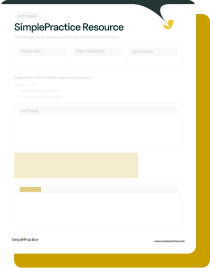
Download the ‘what makes me happy?’ worksheet
Download now
Download the ‘what makes me happy?’ worksheet
Download nowHappiness in children is linked to improved physical and mental health, as well as better educational outcomes.
This article provides an overview of happiness exercises, how to help children identify what makes them happy, and how to express it by using a "What makes me happy?” worksheet.
We’ve included a free downloadable “What makes you happy?” worksheet to save to your electronic health record (EHR) and use in your practice.
Research indicates that happiness is associated with enhanced family functioning, characterized by stronger emotional bonds, improved communication, and more positive relationships. Happiness also strongly predicts future happiness in children and adolescents.
However, researchers have also found that children’s views on what makes them happy can be overlooked, especially among those aged three to seven years old.
A systematic review of children's happiness research found the key factors contributing to children's happiness included:
Spending time with loved ones
Receiving praise
Achieving goals
Roleplaying and imaginative play
Feeling ignored, forced into activities, and having limited interactions with friends had a negative impact on happiness.
Helping kids identify what brings them happiness has many benefits, including:
Increased self-awareness: Reflective activities, such as the “What makes you happy?” worksheet, can improve kids' self-recognition, self-concept, and emotional understanding.
Improved emotional literacy: Learning about emotions enables kids to not only identify and name their feelings but also recognize those emotions in others.
Enhanced self-expression: Identifying what makes them happy gives kids the freedom to choose the activities they most enjoy.
Happiness worksheets, such as the “What makes me happy?” worksheet, include various activities designed to help children recognize and cultivate positive emotions, building emotional awareness and literacy.
These exercises might consist of:
“What makes you happy?” activity: Explore different ways people experience happiness, such as playing with friends, eating a treat, watching a movie with family, doing well in school, playing with a pet, going to the park, playing soccer or baseball, reading a book, creating art, visiting a museum, spending quality time with a caregiver, and playing video games.
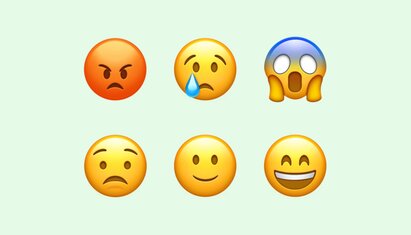
Where do you feel happy?: Demonstrate the bodily ways they experience happiness and other emotions, such as smiling, laughing, and feeling excited. You could also incorporate a body diagram for the exercise and use printable emotion faces to help identify different emotions in others.
Name their support people: Help children identify the people who make them happiest and those they can go to when they need to talk.
Identify happy thoughts and feelings: By reflecting on these, kids can recall them when feeling sad or unhappy, such as something they are proud of, their most significant accomplishment, happy memories, and aspects of themselves or their family that bring them happiness.
Recipe for happiness: Explore how happiness activities can aid in emotional regulation. For example, if they are feeling sad, you might ask what they could do to make them feel better.
You can download and use the “What makes me happy?” worksheet in several ways:
Use the worksheet to provide psychoeducation to parents about exploring happiness and emotional regulation.
Complete the worksheet collaboratively in session and give the client a copy to take home.
Use the “Things that make me happy” worksheet in group therapy sessions to encourage clients to share more about themselves with other participants.
Use this worksheet to provide training to interns or supervisees on developing emotional awareness and regulation in children.
Combine this worksheet with positive psychology resources and children's worksheets, including our printable emotion faces, feelings wheel for kids, stress worksheets for kids, child anxiety worksheets, and a boundaries worksheet.
Share the “What makes me happy?” worksheet with coworkers or leave copies in your office or the waiting room.
Izzo, F., Baiocco, R., & Pistella, J. (2022). Children's and adolescents' happiness and family functioning: A systematic literature review. International Journal of Environmental Research and Public Health.
Lewis, M., & Minar, N. J. (2022). Self-recognition and emotional knowledge. The European Journal of Developmental Psychology.
Luerssen, A. (2009). Play to be happy. Greater Good Magazine, The Greater Good Science Center, University of California, Berkeley.
Social Work Tools and Resources. (n.d.). Feeling sad, happy, worried, frustrated, and angry: Activity worksheets for children. Social Workers Toolbox.
The Kids Mental Health Foundation. (2025). 7 ways to cultivate happiness.
Urbina-Garcia, A. (2024). Do we listen to what makes children happy? A systematic literature review of voices of children aged 3–7 years in educational research. Journal of Happiness and Health.
SimplePractice is HIPAA-compliant practice management software with everything you need to run your practice built into the platform—from booking and scheduling to insurance and client billing.
If you’ve been considering switching to an EHR system, SimplePractice empowers you to run a fully paperless practice—so you get more time for the things that matter most to you.
Try SimplePractice free for 30 days. No credit card required.






Proudly made in Santa Monica, CA © 2026 SimplePractice, LLC
Proudly made in Santa Monica, CA © 2026
SimplePractice, LLC